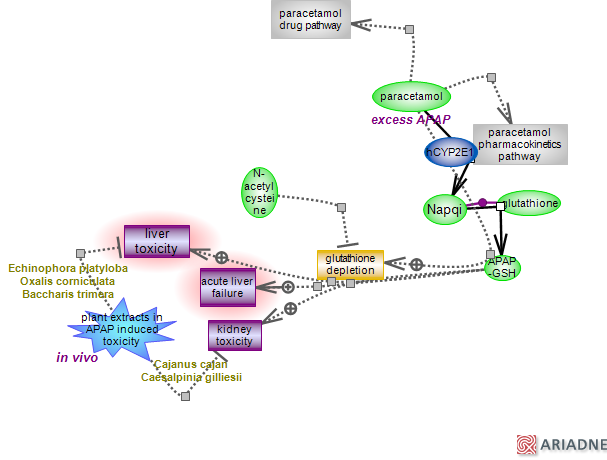
cetamol or N-acetyl-p-aminophenol (APAP), also known as acetaminophen or by its trade name in the USA as Tylenol, is a widely used analgesic and antipyretic drug. However, overdose of paracetamol - accidental or intentional - is associated with hepatotoxicity and a leading cause of liver failure. APAP metabolism occurs mostly in the liver where it is primarily subject to glucuronidation and sulfation by members of phase II biotransformation enzymes. To a lesser extent, it is also metabolized b
y members of the cytochrome P450 phase I biotransformation enzymes. The products are taken up by various liver efflux transporters and eliminated via excretion. It is generally accepted that the mode of action of paracetamol is the inhibition of prostanoid biosynthesis, particularly prostaglandins, via the cyclooxygenase (COX) mediated pathway of arachidonic acid metabolism (lipooxygenases and cytochrome P450 monooxygenases mediate the other two routes to produce leukotriene and other metabolites). Prostanoids specifically activate several G-protein coupled receptors (GPCRs) to mediate a vast range of responses including sensitization to pain, inflammation and fever, immune and cardiovascular functions. The Cox enzymes are targets of various non-selective non-steroidal anti-inflammatory (NSAID) and selective Cox-2 inhibitor drugs. Overall, paracetamol is a weaker analgesic than both NSAIDs or the specific Cox inhibitors, but is preferred because of its better tolerance. Although only a small fraction of paracetamol is metabolized by cytochrome P450, the product of the reaction - N-acetyl-p-benzoquinone imine (NAPQI) readily forms an adduct with glutathione (GSH); the adduct production is spontaneous but can also be enzymatically catalyzed. Excessive paracetamol and subsequent increase in NAPQI and GSH conjugation leads to GSH depletion in the cell. Glutathione depletion can have serious consequences as GSH is an important cellular antioxidant. This and possibly the formation of adducts with other cellular proteins, which can take place once enough glutathione stores have been depleted, are thought to underlie the hepatotoxicity of paracetamol. The main member of the cytochrome P450 family involved in the formation of the active NAPQI metabolite is CYP2E1; the relative expression and/or activity of the enzyme in the liver and the treatment with CYP2E1-inducing drugs, can render certain patients more prone to develop hepatotoxicity upon treatment with APAP. Paracetamol overdose causes oxidative stress, mitochondrial dysfunction and hepatocyte necrosis. It can also be nephrotoxic and cause renal failure, although to a lesser extent. An antidote to paracetamol toxicity is N-acetyl cysteine (NAC), also used for the treatment of numerous other disorders. As a precursor to cysteine, it can be involved in the synthesis of glutathione and therefore contribute to replenishing the GSH pool. Plants are known for their anti-oxidant properties; various plant extracts are being assessed for their potential therapeutic effect against paracetamol toxicity using the rat as an animal model. Examples, to name a few, include Echinophora platyloba, Oxalis corniculata and Baccharis trimera against hepatotoxicity or Cajanus cajan and Caesalpinia gilliesii against renal damage. The compounds, in the animal models, exert protective effects and improve the system's function....(less)