It is a well-known fact that Type 2 Diabetes, once considered a disease which only struck people in middle age and older, is increasing in frequency—not only in the age groups traditionally thought of as at-risk, but also in children, teens and young adults. According to the CDC, in 2006 “diabetes was the sixth leading cause of death on U.S. death certificates, and overall, the risk for death among people with diabetes is about twice that of people without diabetes of similar age”.
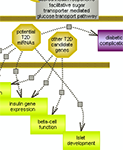
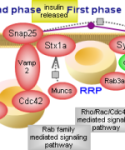
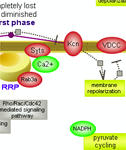
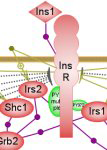
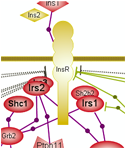
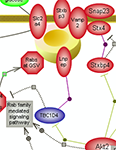
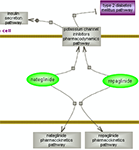
Research into Type 2 Diabetes has elucidated several pathways which appear to contribute to the development, severity and progression of this often debilitating and deadly disease. Use the links below to explore how the pathways associated with T2D can interact, how the normal pathways function, how they can be altered in the diabetic state, and how several anti-diabetic drugs can affect these altered pathways.
To link to the Diabetes Disease Portal, click here