BACKGROUND AND PURPOSE: SPG7 is one of the most common forms of autosomal recessive hereditary spastic paraplegia. The phenotype has been shown to be heterogeneous, varying from a complex spastic ataxia to pure spastic paraplegia or pure ataxia. The a
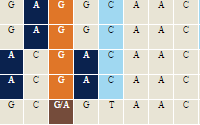
im of this study was to clinically and genetically characterize patients with SPG7 in Norway. METHODS: Six Norwegian families with a clinical diagnosis of hereditary spastic paraplegia were diagnosed with SPG7 through Sanger sequencing and whole-exome sequencing. Haplotypes were established to identify a possible founder mutation. All patients were thoroughly examined and the clinical and molecular findings are described. RESULTS: The core phenotype was spastic paraparesis with ataxia, bladder disturbances and progressive external ophthalmoplegia. The variant p.H701P was identified in homozygous state in one family and in compound heterozygous state in three families. Haplotype analysis of seven surrounding single nucleotide polymorphisms supports that this variant resides on a founder haplotype. Four of the families were compound heterozygous for the previously well-described p.A510V variant. CONCLUSION: SPG7 is a common subgroup of hereditary spinocerebellar disorders in Norway. The broad phenotype in the Norwegian SPG7 population illustrates the challenges with the traditional dichotomous classification of hereditary spinocerebellar disorders into hereditary spastic paraplegia or hereditary ataxia. A Norwegian founder mutation p.H701P was identified in four out of six families, making it a major cause of SPG7 in Norway.
Hereditary cerebellar ataxias and hereditary spastic paraplegias are clinically and genetically heterogeneous and often overlapping neurological disorders. Mutations in SPG7 cause the autosomal recessive spastic paraplegia type 7 (SPG7
SPG7), but recent studies indicate that they are also one of the most common causes of recessive cerebellar ataxia. In Quebec, a significant number of patients affected with cerebellar ataxia and spasticity remain without a molecular diagnosis. We performed whole-exome sequencing in three French Canadian (FC) patients affected with spastic ataxia and uncovered compound heterozygous variants in SPG7 in all three. Sanger sequencing of SPG7 exons and exon/intron boundaries was used to screen additional patients. In total, we identified recessive variants in SPG7 in 22 FC patients belonging to 12 families (38.7% of the families screened), including two novel variants. The p.(Ala510Val) variant was the most common in our cohort. Cerebellar features, including ataxia, were more pronounced than spasticity in this cohort. These results strongly suggest that variants affecting the function of SPG7 are the fourth most common form of recessive ataxia in FC patients. Thus, we propose that SPG7 mutations explain a significant proportion of FC spastic ataxia cases and that this gene should be considered in unresolved patients.
Elleuch N, etal., Neurology. 2006 Mar 14;66(5):654-9.
BACKGROUND: Mutations in the SPG7 gene, which encodes paraplegin, are responsible for an autosomal recessive hereditary spastic paraplegia (HSP). OBJECTIVE: To screen the SPG7 gene in a large population of HSP families compa
tible with autosomal recessive transmission. METHODS: The authors analyzed 136 probands with pure or complex HSP for mutations in the SPG7 using denaturation high-performance liquid chromatography and direct sequencing. RESULTS: The authors identified 47 variants including 6 mutations, 27 polymorphisms, and 14 changes with unknown effects. In one family from Morocco, compound c.850_851delTTinsC and c.1742_1744delTGG heterozygous mutations were shown to be causative. This family had complex HSP with cerebellar impairment. Progression of the disease was rapid, resulting in a severe disease after 8 years of duration. Also detected were 20 families with one heterozygous mutation that was not found in a large control population. The mutations produced highly defective proteins in four of these families, suggesting that they were probably causative. Direct sequencing of all exons and reverse transcription PCR experiments demonstrated the absence of a second mutation. However, the p.Ala510Val missense substitution previously described as a polymorphism was shown to be significantly associated with HSP, suggesting that it had a functional effect. CONCLUSION: SPG7 mutations account for less than 5% of hereditary spastic paraplegia (HSP) families compatible with autosomal recessive inheritance. Cerebellar signs or cerebellar atrophy on brain imaging were the most frequent additional features in patients with SPG7 HSP. Rare nucleotide variants in SPG7 are frequent, complicating routine diagnosis.
Mitochondrial permeability transition is a phenomenon in which the mitochondrial permeability transition pore (PTP) abruptly opens, resulting in mitochondrial membrane potential (¿¿m) dissipation, loss of ATP production, and cell death. Several genetic candidates have been proposed to form the PTP c
omplex, however, the core component is unknown. We identified a necessary and conserved role for spastic paraplegia 7 (SPG7) in Ca(2+)- and ROS-induced PTP opening using RNAi-based screening. Loss of SPG7 resulted in higher mitochondrial Ca(2+) retention, similar to cyclophilin D (CypD, PPIF) knockdown with sustained ¿¿m during both Ca(2+) and ROS stress. Biochemical analyses revealed that the PTP is a heterooligomeric complex composed of VDAC, SPG7, and CypD. Silencing or disruption of SPG7-CypD binding prevented Ca(2+)- and ROS-induced ¿¿m depolarization and cell death. This study identifies an ubiquitously expressed IMM integral protein, SPG7, as a core component of the PTP at the OMM and IMM contact site.
BACKGROUND: Hereditary spastic paraplegia (HSP) is a clinically and genetically heterogeneous neurodegenerative disorder characterized by progressive spastic paraparesis of the lower limbs. OBJECTIVE: To identify the genotype and characterize the phenotype in a family with a nov
el form of complicated autosomal recessive hereditary spastic paraparesis (ARHSP). METHODS: Six subjects of a Turkish family were examined by clinical evaluation, detailed neuropsychological testing, neurophysiologic studies, MRI, diffusion tensor imaging (DTI), and mutation analysis of SPG7 gene. RESULTS: Three individuals were affected by a juvenile-onset form of complicated ARHSP due to the missense mutation c.2075G>C in exon 15 of the SPG7 gene in the homozygous state, substituting serine with threonine at codon 692. As additional clinical features, cerebellar syndrome, supranuclear palsy, and cognitive impairment, particularly disturbance of attention and executive functions, were found. MRI showed cerebellar atrophy and mild frontal cerebral atrophy. DTI revealed bilateral disturbance of white matter integrity in corticospinal tracts, frontal lobes, and the midbrain. CONCLUSIONS: The new SPG7 gene mutation leads to a novel complicated autosomal recessive hereditary spastic paraparesis phenotype that widens the spectrum of different brain systems that are optionally affected in hereditary spastic paraplegia (HSP). In this novel phenotype, spastic paraparesis is related to cerebral damage of corticospinal tracts. Impairment of attention and executive functions is due to white matter loss in frontal lobes. Furthermore, supranuclear palsy is caused by white matter damage in the midbrain. This multisystem affection, which was detected by the use of diffusion tensor imaging, may reflect a mitochondrial dysfunction that contributes to the underlying pathogenesis of SPG7-HSP.
Hewamadduma CA, etal., Neurol Genet. 2018 Oct 24;4(6):e279. doi: 10.1212/NXG.0000000000000279. eCollection 2018 Dec.
OBJECTIVE: To clinically, genetically, and radiologically characterize a large cohort of SPG7 patients. METHODS: We used data from next-generation sequencing panels for ataxias and hereditary spastic paraplegia to identify a characteristic p
henotype that helped direct genetic testing for variations in SPG7. We analyzed MRI. We reviewed all published SPG7 mutations for correlations. RESULTS: We identified 42 cases with biallelic SPG7 mutations, including 7 novel mutations, including a large multi-exon deletion, representing one of the largest cohorts so far described. We identified a characteristic phenotype comprising cerebellar ataxia with prominent cerebellar dysarthria, mild lower limb spasticity, and a waddling gait, predominantly from a cohort of idiopathic ataxia. We report a rare brain MRI finding of dentate nucleus hyperintensity on T2 sequences with SPG7 mutations. We confirm that the c.1529C>T allele is frequently present in patients with long-standing British ancestry. Based on the findings of the present study and existing literature, we confirm that patients with homozygous mutations involving the M41 peptidase domain of SPG7 have a younger age at onset compared to individuals with mutations elsewhere in the gene (14 years difference, p < 0.034), whereas c.1529C>T compound heterozygous mutations are associated with a younger age at onset compared to homozygous cases (5.4 years difference, p < 0.022). CONCLUSIONS: Mutant SPG7 is common in sporadic ataxia. In patients with British ancestry, c.1529C>T allele represents the most frequent mutation. SPG7 mutations can be clinically predicted by the characteristic hybrid spastic-ataxic phenotype described above, along with T2 hyperintensity of the dentate nucleus on MRI.
Thal DR, etal., Int J Mol Sci. 2015 Oct 21;16(10):25050-66. doi: 10.3390/ijms161025050.
Mutations in the SPG7 gene are the most frequent cause of autosomal recessive hereditary spastic paraplegias and spastic ataxias. Ala510Val is the most common SPG7 mutation, with a frequency of up to 1% in the general popul
ation. Here we report the clinical, genetic, and neuropathological findings in a homozygous Ala510Val SPG7 case with spastic ataxia. Neuron loss with associated gliosis was found in the inferior olivary nucleus, the dentate nucleus of the cerebellum, the substantia nigra and the basal nucleus of Meynert. Neurofilament and/or paraplegin accumulation was observed in swollen neurites in the cerebellar and cerebral cortex. This case also showed subcortical tau-pathology in an unique distribution pattern largely restricted to the brainstem. alpha-synuclein containing Lewy bodies (LBs) were observed in the brainstem and the cortex, compatible with a limbic pattern of Braak LB-Disease stage 4. Taken together, this case shows that the spectrum of pathologies in SPG7 can include neuron loss of the dentate nucleus and the inferior olivary nucleus as well as neuritic pathology. The progressive supranuclear palsy-like brainstem predominant pattern of tau pathology and alpha-synuclein containing Lewy bodies in our SPG7 cases may be either coincidental or related to SPG7 in addition to neuron loss and neuritic pathology.
Hereditary spastic paraplegia (HSP) is a neurodegenerative disorder defined clinically by progressive lower limb spasticity and weakness. HSP is a genetically highly heterogeneous condition with at least 46 gene loci identified so far, involving X-linked, autosomal recessive (AR) and autosomal domi
nant inheritance. For correct diagnosis, molecular testing is essential because clinical parameters by themselves are not reliable to differentiate HSP forms. The purpose of this study was to establish amplicon-based high-throughput genotyping for AR-HSP. A sample of 187 index cases with apparently sporadic or recessive spastic paraplegia were analyzed by applying an array-based amplification strategy. Amplicon libraries of the CYP7B1-(SPG5) and SPG7-gene were generated followed by a pooled next-generation sequencing (NGS) approach. We identified three SPG5 and seven SPG7 patients. All had one homozygous or two heterozygous mutations. In total, 20 distinct mutations (CYP7B1,n = 4and SPG7,n = 16) including two novel CYP7B1 mutations (p.G51R and p.E211KfsX3) and eight novel SPG7 mutations (p.Leu8delinsLeuLeu, p.W29X, p.R139X, p.R247X, p.G344D, p.Leu346_Leu347ins11, p.R398X and p.R398Q) were detected by this comprehensive genetic testing. Our study illustrates how amplicon-based NGS can be used as an efficient tool to study genotypes and mutations in large patient cohorts and complex phenotypes.
Daoud H, etal., Eur J Med Genet. 2015 Nov;58(11):573-7. doi: 10.1016/j.ejmg.2015.08.001. Epub 2015 Aug 7.
We report the clinical description and genetic analyses of a Greek family with four individuals affected with a complicated form of hereditary spastic paraplegia (HSP) and a recessive pattern of inheritance. Exome sequencing of all affected individuals led to the identification of a homozygous 25 b
p deletion predicted to lead to a frameshift and premature stop codon in the SPG7 gene, encoding paraplegin. This deletion, which is located in the first exon of the SPG7 gene, has not been previously reported and likely lead to the complete absence of the SPG7 protein. Interestingly, this family shows significant phenotypic heterogeneity further highlighting the clinical variability associated with SPG7 mutations. Our findings emphasize the clinical utility of whole exome sequencing for the molecular diagnosis of HSPs.
The c.1529C >T change in the SPG7 gene, encoding the mutant p.Ala510Val paraplegin protein, was first described as a polymorphism in 1998. This was based on its frequency of 3 % and 4 % in two separate surveys of controls in the United Kingdom (UK) population. S
ubsequently, it has been found to co-segregate with disease in a number of different populations. Yeast expression studies support its having a deleterious effect. In this paper a consanguineous sibship is described in which four members who are homozygous for the p.Ala510Val variant present with a spectrum of disease. This spectrum encompasses moderately severe hereditary spastic paraparesis (HSP) with more minor ataxia in two siblings, moderately severe ataxia without spasticity in the third, and a very mild gait ataxia in the fourth. Two of the siblings also manifest vestibular failure. The remaining eight unaffected siblings are either heterozygous for the p.Ala510Val variant, or do not carry it at all. Homozygosity mapping using a high-density SNP array across the whole genome found just 11 genes (on two regions of chromosome 3) outside the SPG7 region on chromosome 16, which were homozygously shared by the affected siblings, but not shared by the unaffected siblings; none of them are likely to be causative. The weight of evidence is strongly in favour of the p.Ala510Val variant being a disease-causing mutation. We present additional data from the Auckland City Hospital neurogenetics clinic to show that the p.Ala510Val mutation is prevalent amongst HSP patients of UK extraction belying any suggestion that European p.Ala510Val haplotypes harbour a disease-causing mutation which the UK p.Ala510Val haplotypes do not. Taken together with previous findings of a carrier frequency of 3-4 % in the UK population (giving a homozygosity rate of 20-40/100,000), the data imply that the p.Ala510Val is the most common mutation causing neurogenetic disease in adults of UK ancestry, albeit the penetrance may be low or the disease caused may be mild.
Estrada-Cuzcano A, etal., Brain. 2017 Feb;140(2):287-305. doi: 10.1093/brain/aww307.
Hereditary spastic paraplegias are heterogeneous neurodegenerative disorders characterized by progressive spasticity of the lower limbs due to degeneration of the corticospinal motor neurons. In a Bulgarian family with three siblings affected by complicated hereditary spastic paraplegia, we performe
d whole exome sequencing and homozygosity mapping and identified a homozygous p.Thr512Ile (c.1535C > T) mutation in ATP13A2. Molecular defects in this gene have been causally associated with Kufor-Rakeb syndrome (#606693), an autosomal recessive form of juvenile-onset parkinsonism, and neuronal ceroid lipofuscinosis (#606693), a neurodegenerative disorder characterized by the intracellular accumulation of autofluorescent lipopigments. Further analysis of 795 index cases with hereditary spastic paraplegia and related disorders revealed two additional families carrying truncating biallelic mutations in ATP13A2. ATP13A2 is a lysosomal P5-type transport ATPase, the activity of which critically depends on catalytic autophosphorylation. Our biochemical and immunocytochemical experiments in COS-1 and HeLa cells and patient-derived fibroblasts demonstrated that the hereditary spastic paraplegia-associated mutations, similarly to the ones causing Kufor-Rakeb syndrome and neuronal ceroid lipofuscinosis, cause loss of ATP13A2 function due to transcript or protein instability and abnormal intracellular localization of the mutant proteins, ultimately impairing the lysosomal and mitochondrial function. Moreover, we provide the first biochemical evidence that disease-causing mutations can affect the catalytic autophosphorylation activity of ATP13A2. Our study adds complicated hereditary spastic paraplegia (SPG78) to the clinical continuum of ATP13A2-associated neurological disorders, which are commonly hallmarked by lysosomal and mitochondrial dysfunction. The disease presentation in our patients with hereditary spastic paraplegia was dominated by an adult-onset lower-limb predominant spastic paraparesis. Cognitive impairment was present in most of the cases and ranged from very mild deficits to advanced dementia with fronto-temporal characteristics. Nerve conduction studies revealed involvement of the peripheral motor and sensory nerves. Only one of five patients with hereditary spastic paraplegia showed clinical indication of extrapyramidal involvement in the form of subtle bradykinesia and slight resting tremor. Neuroimaging cranial investigations revealed pronounced vermian and hemispheric cerebellar atrophy. Notably, reduced striatal dopamine was apparent in the brain of one of the patients, who had no clinical signs or symptoms of extrapyramidal involvement.